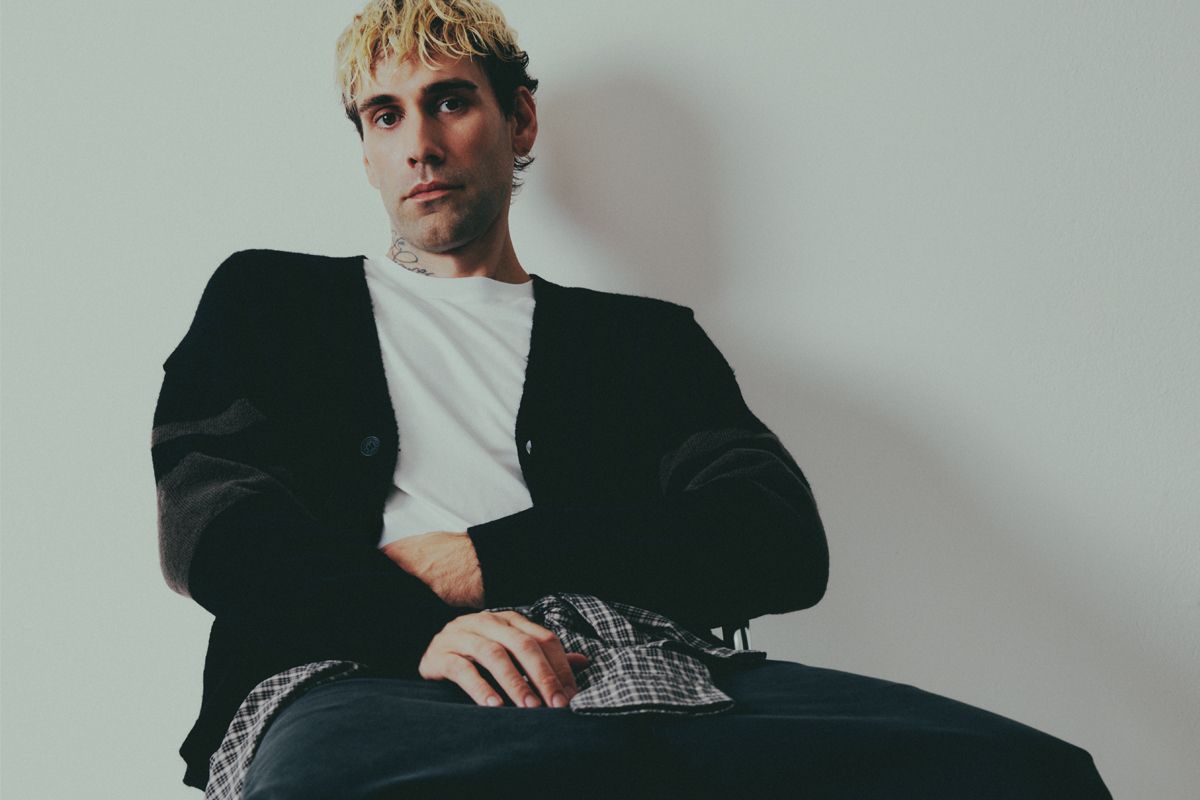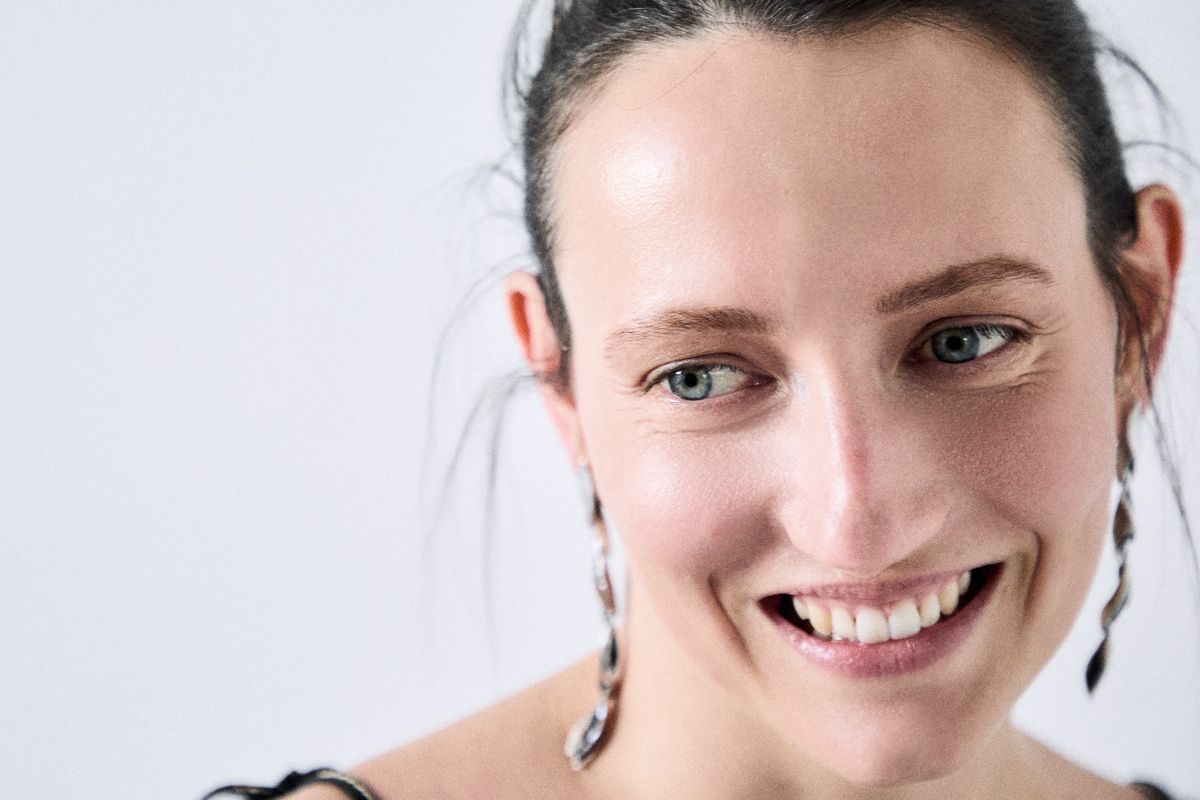
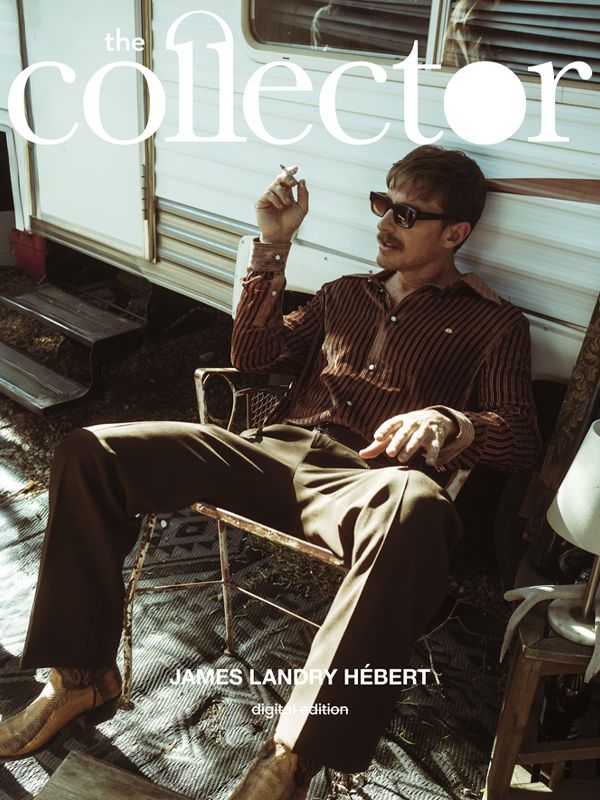
James Landry Hébert has built his career inhabiting characters defined by contradiction, always looking beyond what appears on the surface. From 1883 to Euphoria and now The Drop: A Snowfall Saga, his work moves through radically different worlds while remaining rooted in the same search for humanity. For The Collector, he talks about instinct, vulnerability, the freedom of transformation and a new chapter in his career, one that is beginning to reveal more of the actor behind the characters.
Hi James, you’ve inhabited many very different characters over the years, but we’d like to begin with the person behind them. Who is James Landry Hébert when he’s not playing someone else?
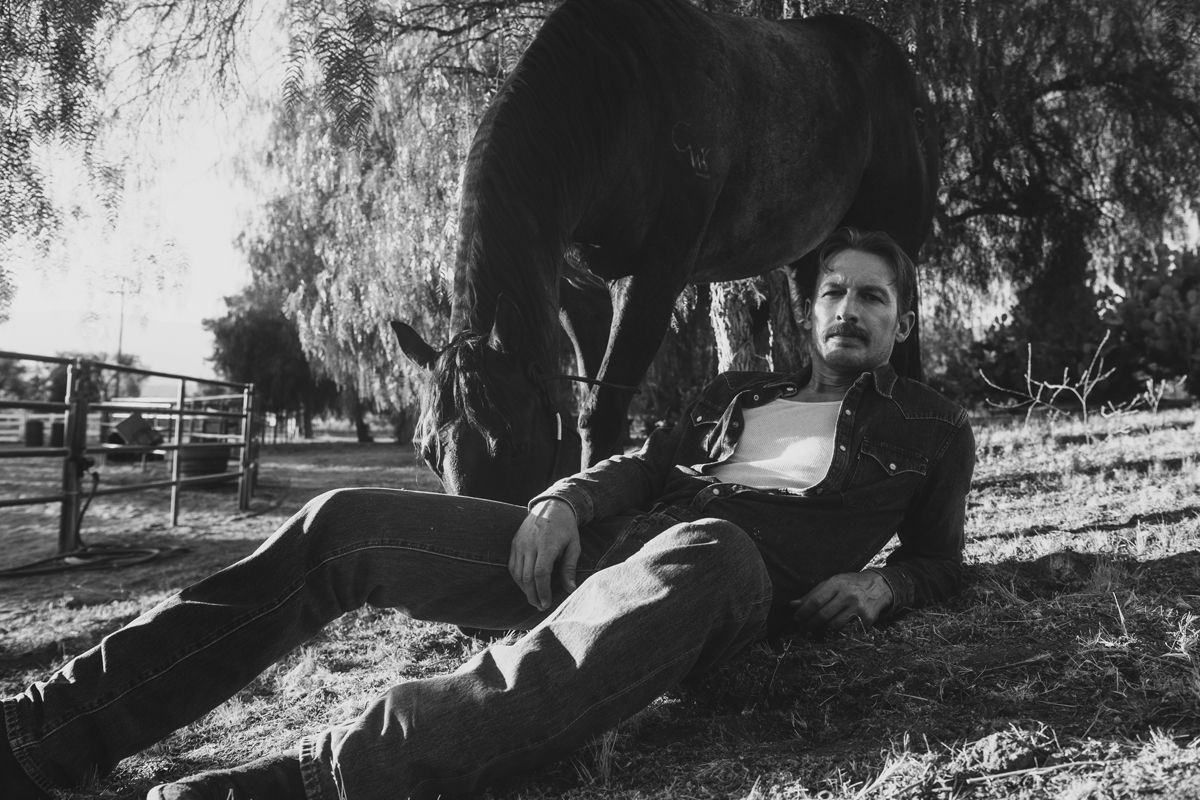
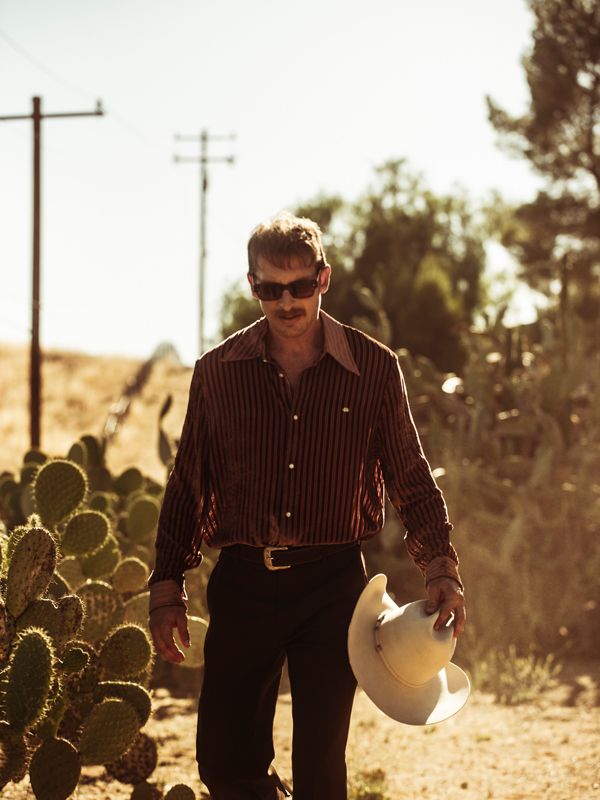
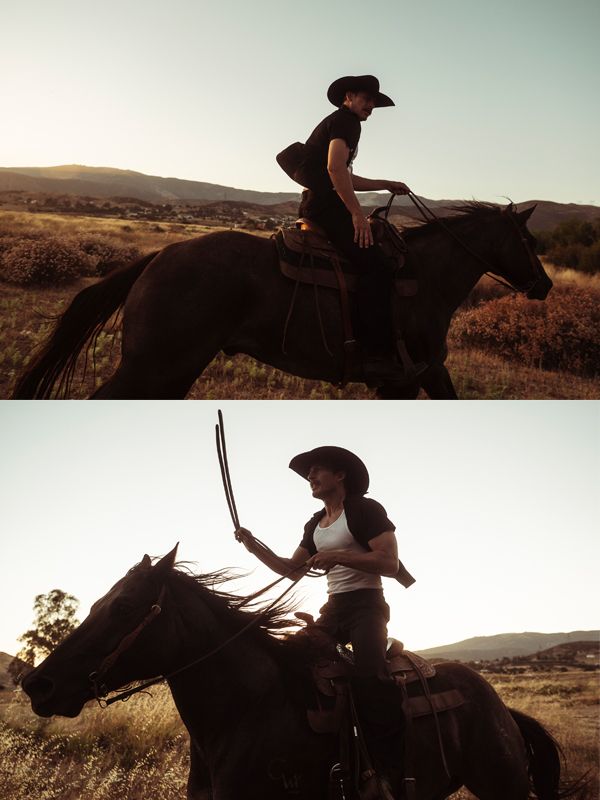
When I’m not playing someone else, I’m usually at the ranch, with the horses, trying to keep life pretty simple. That part of my life keeps me honest. Animals don’t care what show you’re on or what just came out. They still need to be fed, cleaned up after, worked with, and listened to. I’m a Louisiana kid at heart. I was born in Lafayette, shaped by the bayou, the Chitimacha community, LSU, New Orleans, horses, family, and a lot of different worlds I had to learn how to move through. I’m not Native by blood, so I’m careful how I talk about that, but culturally that community helped raise me and shaped the way I see people, land, survival, and story. I think I spent a lot of my life trying to figure out where I fit, and acting became the place where all those pieces could finally belong somewhere. Underneath the characters, I’m probably still half-cowboy, half-actor – one foot in the dirt, one foot in whatever strange world the work asks me to enter.
Throughout your career, you’ve often played characters who might be easy to judge from the outside, yet you seem to approach them from a place of understanding. In order to truly inhabit a character, do you feel you have to suspend your own judgment of them?
I don’t think you can play a character truthfully if you’re standing outside of him judging him the whole time. That doesn’t mean you excuse him. There’s a big difference between understanding someone and defending them. With characters like Harley, I’m not trying to excuse the hate. I’m trying to expose it. I want to understand where it comes from – fear, shame, insecurity, ignorance, powerlessness. If you only play the monster, the audience gets to dismiss him. If you make him human, they have to look a little closer. So yes, I try to suspend judgment while I’m inside the character. But as the actor, I still have a responsibility to know what I’m showing. The goal is not to make the audience approve of him. The goal is to make them recognize something true.
You’ve often spoken about the importance of finding the humanity within even the toughest or most morally complex characters. When you begin building a character, what do you look for in order to understand their deeper needs and motivations?
I usually start with what the character thinks is noble about himself. Very few people wake up thinking they’re the villain. Harley thinks he’s protecting his family, his land, his son, his way of life. He’s wrong in a lot of ways, and dangerous, but he believes in his own mythology. Once I understand that, I start looking at the wound underneath it. What are they afraid of? What are they ashamed of? What do they need so badly that it starts to corrupt them? Then I let the physical life tell me things. How does he stand? How does he breathe? How does he handle silence? Is he comfortable in his body, or is he performing power because he feels powerless underneath? Those details usually open the door for me.
In Euphoria, you play Harley, a character who can be intimidating, absurd, and even funny, yet beneath all of that there seems to be a deep sense of insecurity. What was the part of him that took you the longest to understand?
The insecurity probably took the longest. Harley comes in with so much bravado that at first you see the danger, the absurdity, the violence, the ego. But the more I lived with him, the more I realized all of that noise was covering something smaller and sadder. He is terrified of not mattering. He wants to be feared, respected, remembered. His euphoria isn’t really drugs. It’s infamy. Once I understood that, the humor made more sense too. Harley is ridiculous sometimes because he takes himself so seriously. That’s where the absurdity lives. He can be intimidating and pathetic in the same breath, and that contradiction became the most interesting part of him to me.
Sam Levinson gave you a great deal of freedom in shaping Harley, allowing details, instincts, and even elements of your own life to find their way into the performance. How does your process change when a director gives you the freedom to surprise even yourself?
It makes me braver. When a director like Sam Levinson gives you real freedom, you stop trying to protect yourself and start chasing what’s alive. Sam finds things in you and folds them into the story. I’d ride my horse to set, and once he found out I could ride, he asked if I could chase Zendaya down on horseback. I said, “Yeah, and I could rope her too.” A month later, Harley was doing exactly that. That kind of collaboration doesn’t happen on every job. Freedom only works when there’s trust. Sam gives you permission to go bigger, uglier, stranger, quieter – but it still has to be true. You’re not just hitting marks. You’re discovering something.
Turning to The Drop: A Snowfall Saga, which premieres on September 8, this new project seems to reveal a side of you that audiences may not expect to see. What did it allow you to explore as an actor that you hadn’t had the opportunity to explore before?
Without saying too much, The Drop gave me a chance to step into a completely different kind of pressure. It’s not the Western world, and it’s not the fever dream of Euphoria. It’s urban, political, dangerous, and very human. The Snowfall universe doesn’t deal in clean heroes and villains. Everyone thinks they’re protecting something – their neighborhood, their people, their family, their future – and then all of those intentions collide with power, money, survival, and control. For me, it was exciting to play inside a world where morality is constantly shifting. It lets audiences see a different texture from me. Less outlaw mythology, more institutional pressure. Less dust and horses, more streets, systems, and survival.
In The Drop, you play a character who seems to operate in a morally complex space. What drew you to him, and what was the most challenging aspect of understanding his point of view?
What drew me to him was the pressure he’s under and the way he justifies himself inside that pressure. I’m always interested in people who believe they’re doing what has to be done, even when the cost is ugly. The challenge is finding the humanity without softening the danger. In that world, people are making choices inside systems that are already on fire. Power, fear, loyalty, ambition – all of it gets tangled together. I can’t give too much away yet, but I loved that the character operates in a morally complicated space. He is not asking to be liked. He is trying to survive, control the room, and hold onto whatever version of order he believes in.
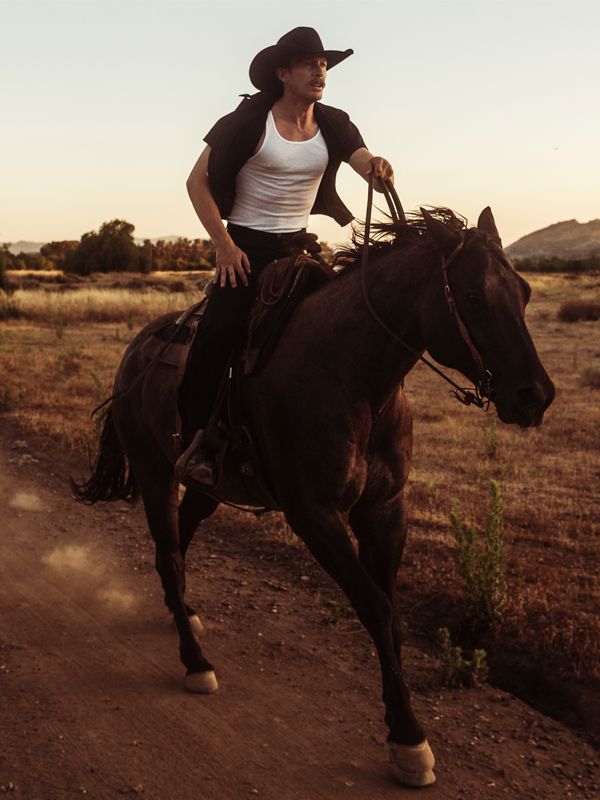
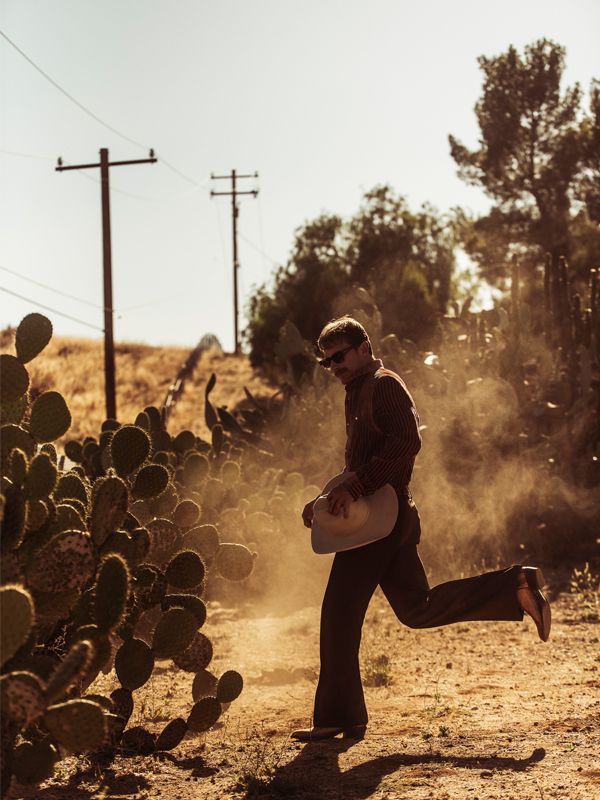
In 1883, Taylor Sheridan’s series in which you play the cowboy Wade, you had the opportunity to bring together acting and one of your greatest passions: horses. What role do horses play in your life, and what does your relationship with them mean to you beyond the set?
Horses are one of the main things that keep me grounded. They require presence. You can’t lie to a horse. You can’t fake calm. They feel everything. Beyond set, they’re part of my daily life and my sanity. Riding, feeding, cleaning, working with them – it pulls me out of the noise of the business. It puts me back in my body. I also think horses have shaped me as an actor. They teach timing, listening, patience, pressure, release. You learn pretty quickly that force only gets you so far. Real connection comes from awareness. That applies to acting too.
You’ve described your experience on 1883 as particularly meaningful to you. What did you learn from working with Taylor Sheridan, and how did that experience influence your approach to acting?
1883 taught me restraint and truth. Taylor’s world is so physical that you can’t fake your way through it. The horses, the weather, the land, the exhaustion – all of it keeps you honest. On a set like that, the environment is doing half the acting for you if you let it. You don’t have to push. You just have to be present and listen. Taylor understands Westerns in a way that goes beyond hats and horses. He understands consequence, silence, survival, legacy. That influenced me a lot. I always say 1883 was about surviving the frontier, and Euphoria is about surviving yourself. Different worlds, but both are about consequence.
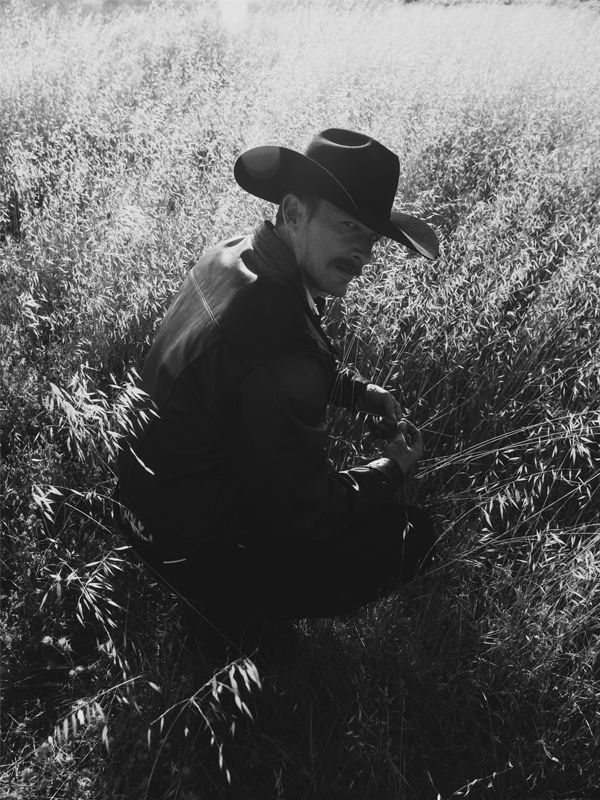
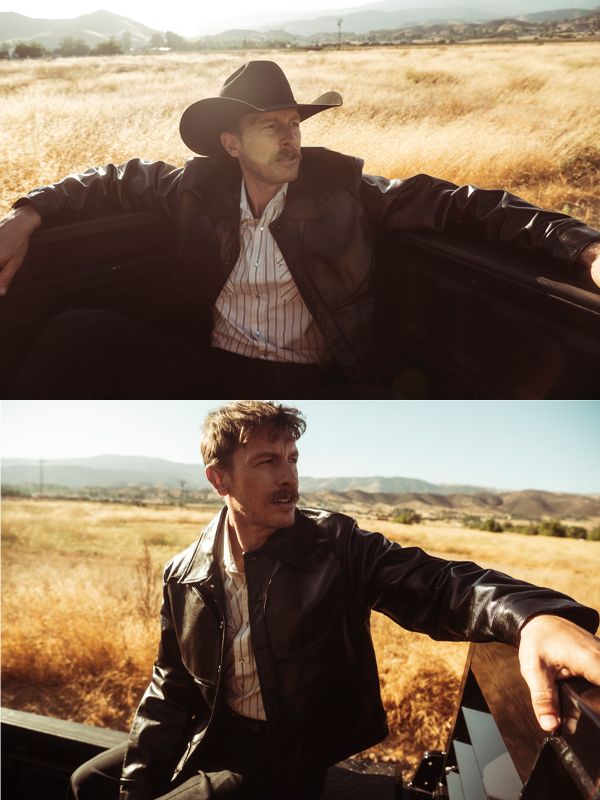
We’ve talked a lot about the characters you play and how you build them, but turning to James himself, what is your relationship with fashion? How much do you think your personal style reveals about who you are?
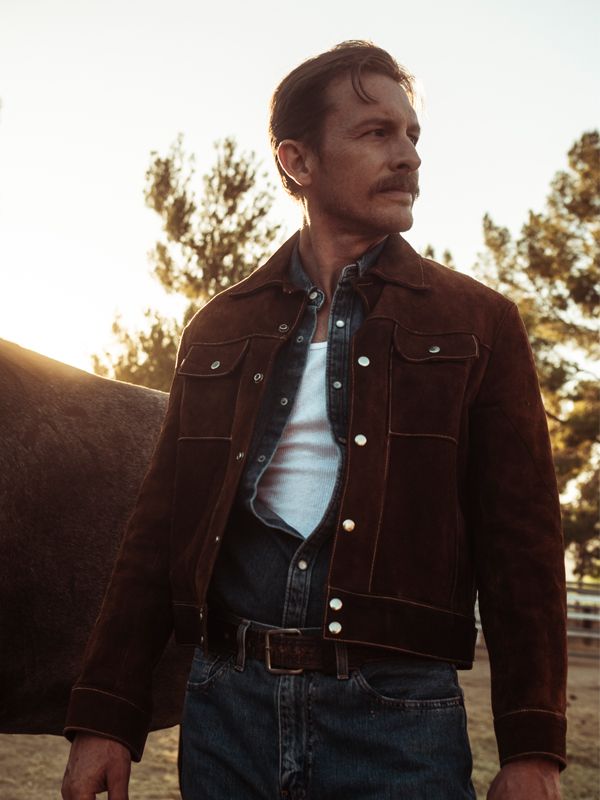
My relationship with fashion has evolved a lot. For a long time, I was probably more functional than fashionable – boots, denim, workwear, hats, things that made sense for the life I actually lived. But I’ve started to understand style as another kind of storytelling. What you wear tells people something before you ever speak. I’m drawn to pieces that feel lived-in, masculine, classic, a little rough around the edges, but still intentional. Working with brands and makers like Thomas Farthing helped me see how clothes can carry history and character. There’s something about old-world tailoring mixed with Western pieces that feels very true to me. I like a sharp suit, but I still want there to be some dust on it. I don’t want to feel like I’m wearing a costume on a carpet. I want it to feel like an elevated version of the same guy who still has to go home and feed horses.
You’re at an interesting point in your career: after years of transforming yourself and almost disappearing into your characters, more and more people are beginning to recognize the actor behind them. As you look ahead, what would you like audiences to discover about you that they haven’t had the chance to see yet?
I’d like people to discover the range. I’m grateful that people trust me with complicated men, dangerous men, rough-edged men, but I don’t want to be boxed into only that. I love comedy. I love tenderness. I love heartbreak. I love characters who surprise you. The dream is to keep the character actor soul, even as bigger opportunities come. I want audiences to see that there’s more there than danger or intensity. There’s humor, vulnerability, romance, weirdness, softness, all of it. I’ve taken a long road, but I think that’s what makes this chapter exciting. The life I’ve lived is finally finding more places to go in the work.
Talent: James Landry Hébert @jameslandryhebert
Photographer: Reto Sterchi @retosterchi
Styling: Regina Doland @reginadoland
Grooming: Courtney Housner @chousner
Digital: Anthony Kadel @anthony.kadel
Photographer assistant / Stunt driver: Jesse Simon @jessemsimon
Agency Talent: TFG PR – @tfg.pr
Editor in Chief: Andrea Bettoni @_andreabettoni
Digital Content Director: Nicola Pantano @nicolapantano_
Project Manager: Valentina Uzzo @valentinauzzo_
Producer and Words: Lorenzo Salmone @salmonelorenzo
James Landry Hébert ha costruito la sua carriera dando vita a personaggi definiti dalle contraddizioni, guardando sempre oltre ciò che appare in superficie. Da 1883 a Euphoria e ora a The Drop: A Snowfall Saga, il suo lavoro attraversa mondi radicalmente diversi, rimanendo però ancorato alla stessa ricerca di umanità. Per The Collector, parla di istinto, vulnerabilità, libertà di trasformazione e di un nuovo capitolo della sua carriera, che sta iniziando a rivelare sempre più l’attore che si cela dietro i personaggi.
Ciao James, nel corso degli anni hai interpretato moltissimi personaggi diversi tra loro, ma vorremmo iniziare dalla persona che si cela dietro di essi. Chi è James Landry Hébert quando non interpreta qualcun altro?
Quando non interpreto qualcun altro, di solito sono al ranch, con i cavalli, e cerco di mantenere la vita piuttosto semplice. Quella parte della mia vita mi mantiene con i piedi per terra. Agli animali non importa in quale show reciti o cosa sia appena uscito. Hanno comunque bisogno di essere nutriti, accuditi, allenati e ascoltati.
Nel profondo sono un ragazzo della Louisiana. Sono nato a Lafayette, e sono stato plasmato dalle paludi, dalla comunità Chitimacha, dalla LSU, da New Orleans, dai cavalli, dalla famiglia e da tanti mondi diversi attraverso i quali ho dovuto imparare a muovermi. Non sono nativo per discendenza, quindi sono attento a come ne parlo, ma quella comunità ha contribuito a crescermi e ha plasmato il modo in cui vedo le persone, la terra, la sopravvivenza e le storie.
Credo di aver trascorso gran parte della mia vita cercando di capire quale fosse il mio posto, e la recitazione è diventata il luogo in cui, finalmente, tutti quei pezzi potevano trovare una collocazione. Sotto i personaggi, probabilmente sono ancora per metà cowboy e per metà attore: con un piede nella terra e l’altro in qualunque strano mondo il lavoro mi chieda di attraversare.
Nel corso della tua carriera hai spesso interpretato personaggi che, visti dall’esterno, potrebbero essere facili da giudicare, eppure sembra che tu ti avvicini a loro partendo da una posizione di comprensione. Per entrare davvero nei panni di un personaggio, senti di dover sospendere il tuo giudizio nei suoi confronti?
Non credo che si possa interpretare un personaggio in modo autentico se si rimane per tutto il tempo al di fuori di lui, giudicandolo. Questo non significa giustificarlo. C’è una grande differenza tra comprendere qualcuno e difenderlo.
Con personaggi come Harley, non cerco di giustificare l’odio. Cerco di metterlo a nudo. Voglio capire da dove nasce: dalla paura, dalla vergogna, dall’insicurezza, dall’ignoranza, dal senso di impotenza. Se interpreti soltanto il mostro, il pubblico può liquidarlo. Se lo rendi umano, deve guardarlo un po’ più da vicino.
Quindi sì, cerco di sospendere il giudizio mentre sono dentro il personaggio. Ma come attore ho comunque la responsabilità di sapere cosa sto mostrando. L’obiettivo non è fare in modo che il pubblico lo approvi. L’obiettivo è portarlo a riconoscere qualcosa di vero.
Hai spesso parlato dell’importanza di trovare l’umanità anche nei personaggi più duri o moralmente più complessi. Quando inizi a costruire un personaggio, cosa cerchi per comprenderne i bisogni e le motivazioni più profonde?
Di solito parto da ciò che il personaggio considera nobile di sé stesso. Pochissime persone si svegliano pensando di essere il cattivo della storia.
Harley pensa di proteggere la sua famiglia, la sua terra, suo figlio, il suo stile di vita. Sbaglia sotto molti aspetti ed è pericoloso, ma crede nella propria mitologia personale. Una volta compreso questo, comincio a guardare la ferita che si nasconde sotto.
Di cosa ha paura? Di cosa si vergogna? Di cosa ha bisogno a tal punto da iniziare a corromperlo?
Poi lascio che sia la fisicità a dirmi qualcosa. Come sta in piedi? Come respira? Come gestisce il silenzio? Si sente a suo agio nel proprio corpo oppure sta mettendo in scena il proprio potere perché, in fondo, si sente impotente?
Di solito sono questi dettagli ad aprirmi la porta.
In Euphoria, interpreti Harley, un personaggio che può essere intimidatorio, assurdo e persino divertente, eppure sotto tutto questo sembra esserci un profondo senso di insicurezza. Qual è stato l’aspetto di lui che hai impiegato più tempo a comprendere?
Probabilmente è stata proprio l’insicurezza a richiedere più tempo. Harley si presenta con una tale dose di spacconeria che, all’inizio, si vedono soprattutto il pericolo, l’assurdità, la violenza, l’ego.
Ma più a lungo ho vissuto con lui, più mi sono reso conto che tutto quel rumore nascondeva qualcosa di più piccolo e triste. È terrorizzato dall’idea di non contare nulla. Vuole essere temuto, rispettato, ricordato. La sua euforia non è davvero la droga. È l’infamia. Una volta compreso questo, anche l’umorismo ha iniziato ad avere più senso. Harley a volte è ridicolo perché prende sé stesso terribilmente sul serio. È lì che risiede la sua assurdità. Può essere intimidatorio e patetico nello stesso momento, e quella contraddizione è diventata per me la parte più interessante del personaggio.
Sam Levinson ti ha lasciato grande libertà nel plasmare Harley, permettendo a dettagli, istinti e persino elementi della tua vita personale di confluire nell’interpretazione. Come cambia il tuo processo quando un regista ti dà la libertà di sorprendere persino te stesso?
Mi rende più coraggioso. Quando un regista come Sam Levinson ti dà una vera libertà, smetti di cercare di proteggerti e inizi a inseguire ciò che è vivo. Sam trova delle cose dentro di te e le inserisce nella storia. Andavo sul set a cavallo e, quando ha scoperto che sapevo cavalcare, mi ha chiesto se fossi in grado di inseguire Zendaya a cavallo. Gli ho detto: «Sì, e potrei anche catturarla con il lazo». Un mese dopo, Harley faceva esattamente quello. Una collaborazione di questo tipo non avviene in ogni lavoro. La libertà funziona soltanto quando c’è fiducia. Sam ti dà il permesso di andare più lontano, di essere più brutto, più strano, più silenzioso, ma deve comunque essere tutto vero. Non ti limiti a raggiungere i tuoi punti di riferimento. Scopri qualcosa.
Passando a The Drop: A Snowfall Saga, che debutterà l’8 settembre, questo nuovo progetto sembra rivelare un lato di te che il pubblico potrebbe non aspettarsi di vedere. Cosa ti ha permesso di esplorare come attore che non avevi ancora avuto l’opportunità di esplorare?
Senza dire troppo, The Drop mi ha dato la possibilità di confrontarmi con un tipo di pressione completamente diverso. Non è il mondo del Western e non è il viaggio onirico febbrile di Euphoria. È urbano, politico, pericoloso e profondamente umano.
L’universo di Snowfall non ragiona in termini di eroi e cattivi nettamente distinti. Tutti pensano di proteggere qualcosa: il proprio quartiere, la propria gente, la propria famiglia, il proprio futuro. E poi tutte queste intenzioni entrano in collisione con il potere, il denaro, la sopravvivenza e il controllo.
Per me è stato emozionante recitare all’interno di un mondo in cui la moralità cambia continuamente. Permette al pubblico di vedere una sfumatura diversa di me. Meno mitologia da fuorilegge, più pressione istituzionale. Meno polvere e cavalli, più strade, sistemi e sopravvivenza.
In The Drop, interpreti un personaggio che sembra muoversi in uno spazio moralmente complesso. Cosa ti ha attratto di lui e qual è stato l’aspetto più difficile nel comprendere il suo punto di vista?
Ciò che mi ha attratto di lui è stata la pressione a cui è sottoposto e il modo in cui si giustifica all’interno di quella pressione. Sono sempre interessato alle persone che credono di fare ciò che deve essere fatto, anche quando il prezzo da pagare è terribile. La sfida consiste nel trovare l’umanità senza attenuare il pericolo. In quel mondo, le persone prendono decisioni all’interno di sistemi che sono già in fiamme. Potere, paura, lealtà, ambizione: tutto si intreccia. Non posso ancora svelare troppo, ma mi è piaciuto molto il fatto che il personaggio si muova in uno spazio moralmente complicato. Non chiede di essere apprezzato. Cerca di sopravvivere, di controllare la situazione e di aggrapparsi a qualunque idea di ordine in cui crede.
In 1883, la serie di Taylor Sheridan in cui interpreti il cowboy Wade, hai avuto l’opportunità di unire la recitazione a una delle tue più grandi passioni: i cavalli. Che ruolo hanno i cavalli nella tua vita e cosa significa per te il rapporto con loro al di là del set?
I cavalli sono una delle cose principali che mi tengono con i piedi per terra. Richiedono presenza. Non puoi mentire a un cavallo. Non puoi fingere di essere tranquillo. Loro percepiscono tutto.
Al di fuori del set, fanno parte della mia vita quotidiana e del mio equilibrio mentale. Cavalcare, nutrirli, pulire, lavorare con loro: tutto questo mi allontana dal rumore del mondo dello spettacolo. Mi riporta dentro il mio corpo.
Penso anche che i cavalli mi abbiano formato come attore. Ti insegnano il tempismo, l’ascolto, la pazienza, la pressione, il rilascio della pressione. Impari piuttosto velocemente che la forza può portarti solo fino a un certo punto. La vera connessione nasce dalla consapevolezza. E questo vale anche per la recitazione.
Hai descritto la tua esperienza in 1883 come particolarmente significativa per te. Cosa hai imparato lavorando con Taylor Sheridan e in che modo quell’esperienza ha influenzato il tuo approccio alla recitazione?
1883 mi ha insegnato la misura e la verità. Il mondo di Taylor è così fisico che non puoi fingere di attraversarlo. I cavalli, il clima, la terra, la stanchezza: tutto ti mantiene onesto.
Su un set del genere, se glielo permetti, l’ambiente fa metà del lavoro di recitazione al posto tuo. Non devi forzare le cose. Devi semplicemente essere presente e ascoltare. Taylor comprende i Western in un modo che va oltre i cappelli e i cavalli. Comprende le conseguenze, il silenzio, la sopravvivenza, l’eredità. Questo mi ha influenzato molto. Dico sempre che 1883 parlava della sopravvivenza alla frontiera, mentre Euphoria parla della sopravvivenza a sé stessi. Mondi diversi, ma entrambi parlano delle conseguenze.
Abbiamo parlato molto dei personaggi che interpreti e di come li costruisci, ma tornando a James, qual è il tuo rapporto con la moda? Quanto pensi che il tuo stile personale riveli chi sei?
Il mio rapporto con la moda è cambiato molto. Per molto tempo probabilmente ero più funzionale che alla moda: stivali, denim, abbigliamento da lavoro, cappelli, cose che avessero senso per la vita che conducevo davvero.
Ma ho iniziato a comprendere lo stile come un’altra forma di narrazione. Ciò che indossi dice qualcosa alle persone prima ancora che tu apra bocca.
Mi attirano i capi che sembrano vissuti, maschili, classici, un po’ ruvidi, ma comunque studiati. Lavorare con brand e artigiani come Thomas Farthing mi ha aiutato a capire come i vestiti possano portare con sé storia e carattere.
C’è qualcosa nel mescolare la sartoria old-school con elementi Western che sento molto mio. Mi piace un completo elegante, ma voglio che ci sia comunque un po’ di polvere sopra.
Non voglio avere la sensazione di indossare un costume su un red carpet. Voglio che sembri una versione più raffinata dello stesso tizio che, una volta tornato a casa, deve ancora dare da mangiare ai cavalli.
Sei in un momento interessante della tua carriera: dopo anni trascorsi a trasformarti e quasi a scomparire nei tuoi personaggi, sempre più persone stanno iniziando a riconoscere l’attore che si cela dietro di loro. Guardando al futuro, cosa vorresti che il pubblico scoprisse di te e che finora non ha avuto modo di vedere?
Vorrei che scoprisse la mia versatilità. Sono grato del fatto che le persone si fidino di me affidandomi uomini complicati, pericolosi, dai modi ruvidi, ma non voglio essere rinchiuso soltanto in quel tipo di ruoli.
Amo la commedia. Amo la tenerezza. Amo il dolore del cuore. Amo i personaggi che ti sorprendono.
Il sogno è conservare l’anima dell’attore caratterista anche mentre arrivano opportunità sempre più grandi. Voglio che il pubblico veda che c’è molto più di quanto suggeriscano il pericolo o l’intensità. Ci sono l’umorismo, la vulnerabilità, il romanticismo, la stranezza, la dolcezza, tutto quanto. Ho percorso una lunga strada, ma credo che sia proprio questo a rendere entusiasmante questo capitolo. La vita che ho vissuto sta finalmente trovando nuovi luoghi in cui esprimersi attraverso il mio lavoro.
Talent: James Landry Hébert @jameslandryhebert
Photographer: Reto Sterchi @retosterchi
Styling: Regina Doland @reginadoland
Grooming: Courtney Housner @chousner
Digital: Anthony Kadel @anthony.kadel
Photographer assistant / Stunt driver: Jesse Simon @jessemsimon
Agency Talent: TFG PR – @tfg.pr
Editor in Chief: Andrea Bettoni @_andreabettoni
Digital Content Director: Nicola Pantano @nicolapantano_
Project Manager: Valentina Uzzo @valentinauzzo_
Producer and Words: Lorenzo Salmone @salmonelorenzo